


 October 15, 2026
  4 min read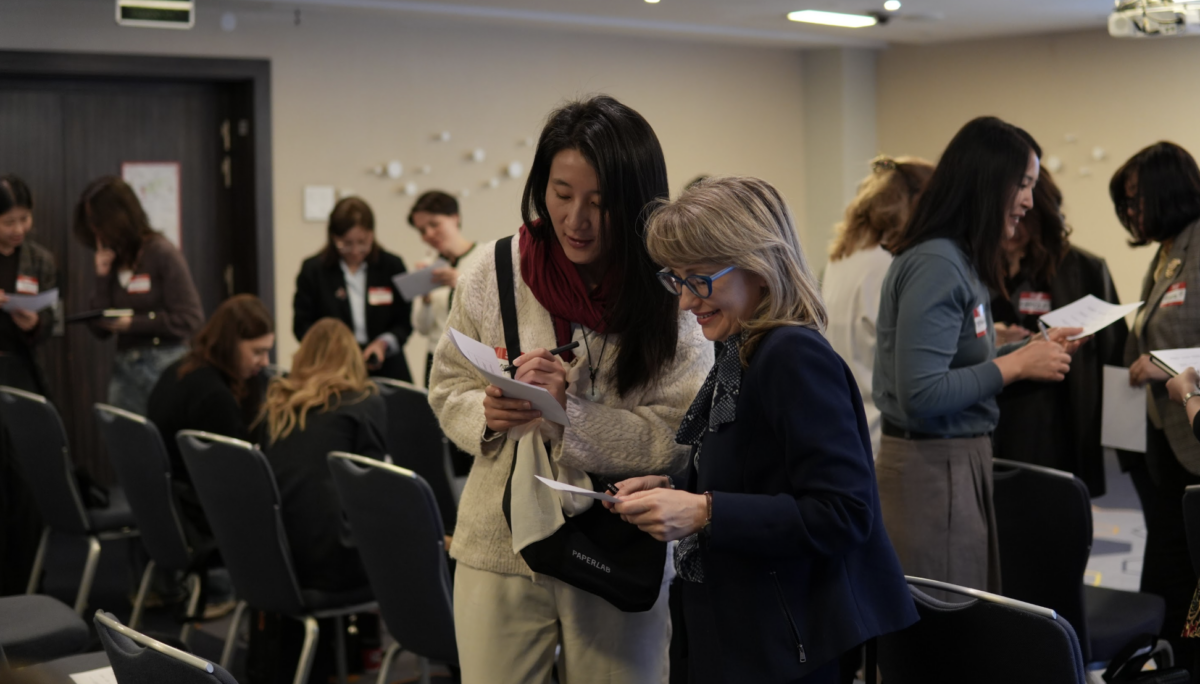
The fifth Central Asian Think Tanks Forum took place in Astana on October 7-8, with gender and politics at the center of its agenda. Organized by Paperlab in partnership with CAPS Unlock, with support from the Canadian Embassy in Kazakhstan, the forum brought together researchers and civil society practitioners from across the region. Since its launch in 2022, this annual event has provided an invaluable space for independent thought, regional exchange and debate on questions that demand closer public scrutiny.
This year’s discussions approached gender equity as a matter of shared prosperity and justice. Fair access to employment, public office and protection from violence concerns society as a whole. Unequal opportunity imposes costs on women, their families and national economies. Two panels examined the distance between formal commitments to equality and women’s everyday experiences.
Bota Ayazbayeva, deputy director of Kazakhstan’s MediaNet and moderator of the panel on women’s professional paths, opened with a paradox: women’s educational achievements do not translate into comparable authority or economic security.
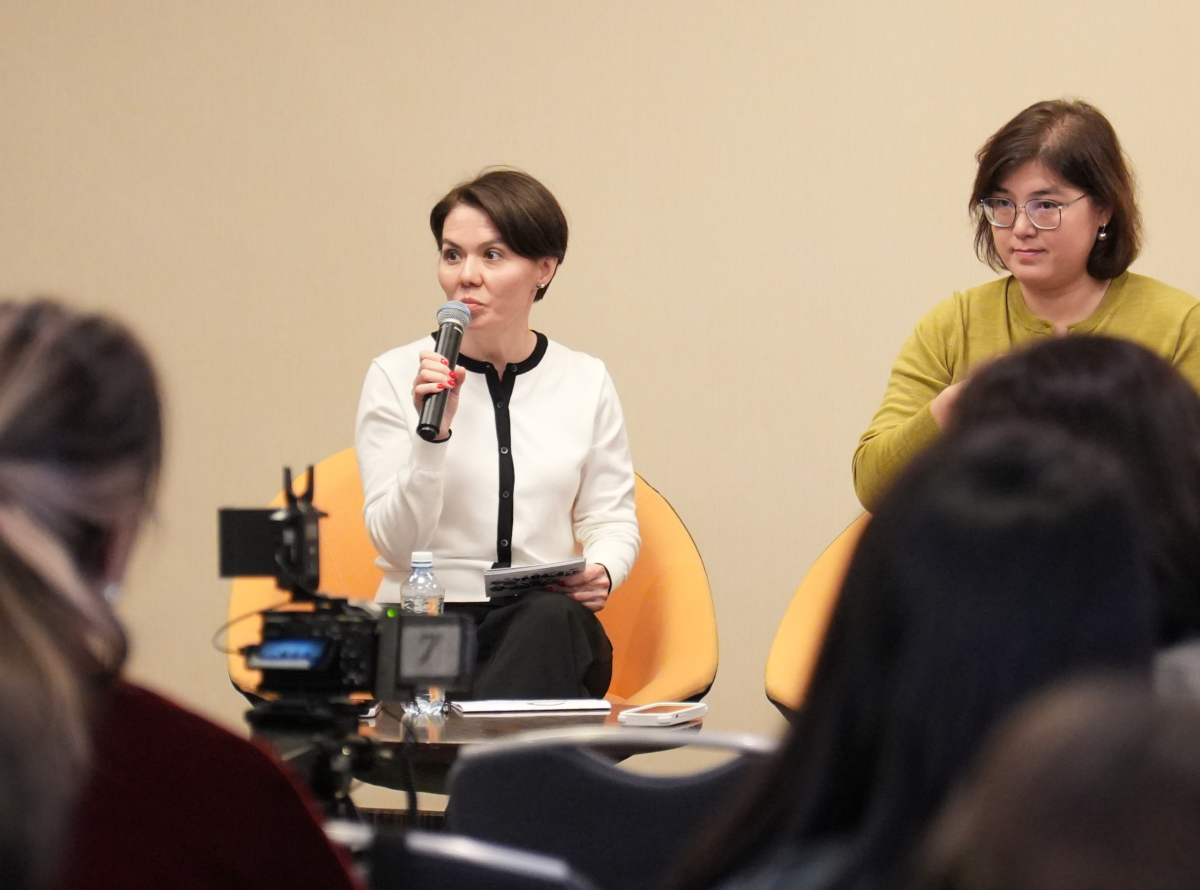
“If we have so many educated women, why do we have so many economically vulnerable … or, let us put it more bluntly, poor women?” she asked.
Independent researcher Dinara Nurusheva examined the “motherhood penalty”: the disadvantages women face after childbirth. Childcare provision, employers’ attitudes and expectations within families constrain what is often described as personal choice. Fathers also face resistance when they seek a greater role in care. Her proposed responses included better early childhood provision and dedicated leave for fathers.
“On paper, yes, we are all equal, but in life we are not, and we encounter this,” she said.
Dr. Kamola Alieva, a legal scholar, gender equality expert and associate professor of constitutional law at Tashkent State University of Law, drew a related distinction. “Equal rights do not mean equal opportunities,” she said. Her research on women in Uzbek politics identified domestic responsibilities, financial constraints and social pressure as barriers to public participation. Support programs must address those circumstances if women are to benefit from them.
Elmira Abylbek, head of Kyrgyzstan’s Esimde Research Platform, challenged accounts that portray women principally through their disadvantages. Her research on female shuttle traders highlighted their contribution to survival and commerce after the Soviet collapse.
“We need to look at different periods and also talk about those periods when women pulled society and the state through very difficult times,” she said.
In another panel, on the invisible economy, Anastassiya Lipovka, a professor and researcher at Almaty Management University (AlmaU), described research on students in science, technology, engineering and mathematics. “Gender stereotypes among students taught in English were significantly lower,” she said. The contrast with students taught in Kazakh and Russian raised questions about how educational environments and teaching materials shape attitudes to women’s professional roles.
Irina Matvienko, founder of Nemolchi.uz, an information project that combats violence against women and children in Uzbekistan, examined unpaid care for children, elderly parents and sick relatives. “At present, the state saves money on this. It saves at women’s expense,” she said. She also warned that economic abuse receives insufficient recognition, despite its role in dependence and domestic violence.
Sholpan Aitenova, chief executive officer and co-founder of Zertteu Research Institute, an independent public foundation based in Almaty, questioned whether assessments of household prosperity capture women’s individual financial security. Family assets do not necessarily give women control over money, while cuts to benefits can diminish their autonomy.
Across both days, the tenor was practical and pragmatic. Hands-on workshops gave participants opportunities to explore proposed solutions, test their assumptions and question ideas they had brought to the forum. A fishbowl discussion also raised the importance of solidarity, both in efforts to advance gender equity and among independent think tanks. Sustained cooperation matters to the future of both.
Forums such as CATTF help build that cooperation through candid debate, shared knowledge and relationships that can support work beyond the event itself.
At the China–Central Asia summit in Astana, bold new proposals were made to deepen cooperation. But can the region move from bilateral deals to a truly regional strategy, and compete on China’s terms?
Motivating educators to get onboard with the climate change education agenda is not always easy, as Professor Hiroki Fujii explained to CAPS Unlock.
Suddenly, climate change is not a distant headline but something that touches the edges of their own experience.
