


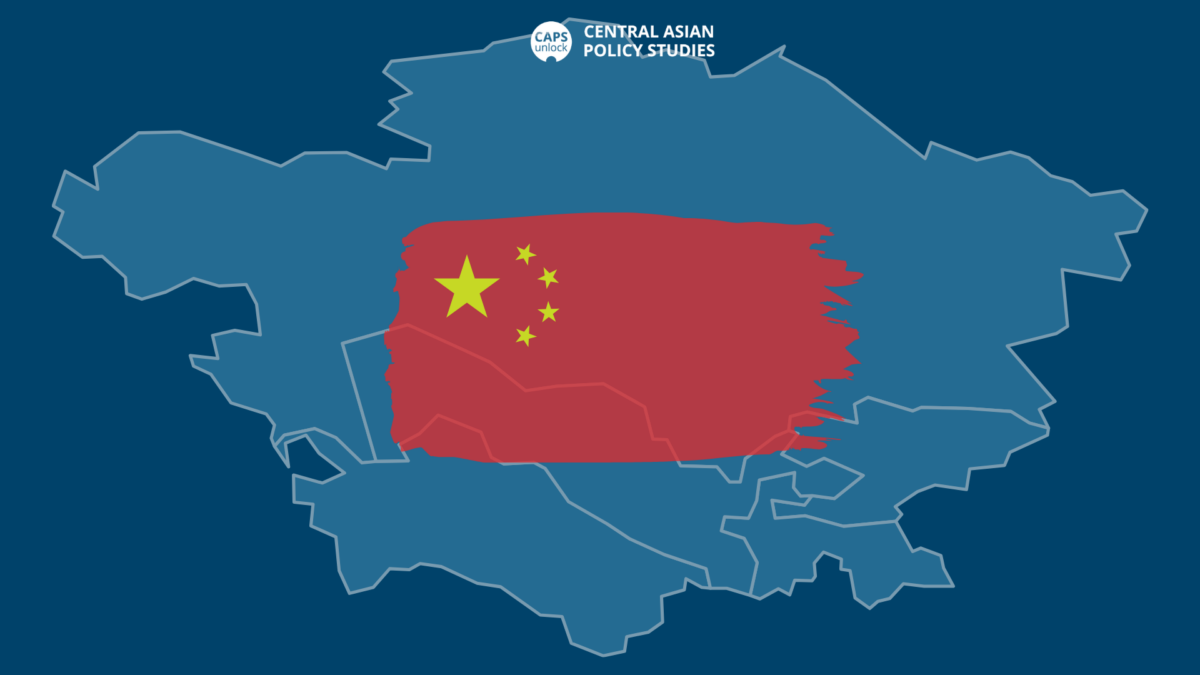
As part of its broader research remit, CAPS Unlock set out to deepen understanding of the complex and fast-changing relationship between Central Asia and China. To do so, we invited scholars from across the region to contribute research and analysis, with the aim of building a shared body of knowledge about China rooted in Central Asian perspectives and experience.
The project responds to a striking gap. China has become one of the most consequential external actors in Central Asia, as a trading partner, investor and source of infrastructure, technology and finance. Yet much of the research that shapes discussion of this relationship still comes from outside the region. CAPS Unlock’s aim is to help encourage a homegrown platform through which researchers from and living in Central Asia can study, debate and understand China on their own terms.
The papers published here are the first stage of that longer-term effort. They examine how rapidly expanding ties with China are reshaping Central Asian economies and societies, from energy, trade and transport infrastructure to digital technologies, debt and investment. Taken together, they also explore a broader question that runs throughout the project: how can Central Asian states benefit from closer economic integration with China while managing the new dependencies that may accompany it?
In November 2025, CAPS Unlock brought together around a dozen scholars to present their findings, exchange ideas and consider how regional expertise on China could be strengthened. The discussions helped lay the groundwork for a more connected and self-sustaining research community.
The resulting papers are presented below in three thematic collections. Together, they contain the full body of research produced through this stage of the project. We have also published a separate selected papers volume, bringing together some of the strongest contributions from across the three collections for readers who want a shorter introduction to the project.
The papers are divided into three main topics:
